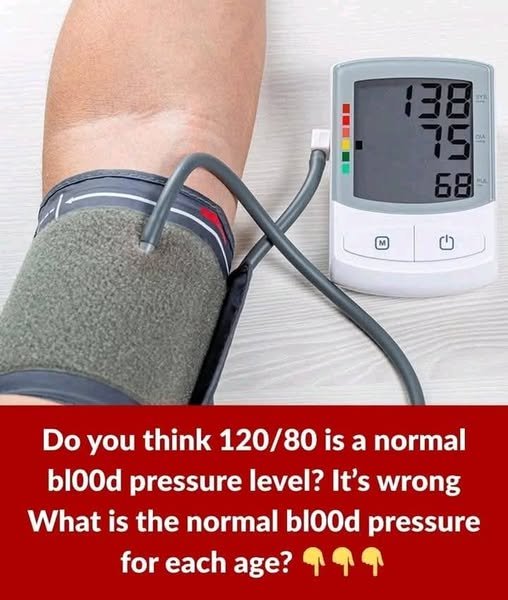
What Is the Normal Blood Pressure for Each Age? A Complete Guide
Blood pressure is one of the most important indicators of overall health, yet many people don’t fully understand what their numbers mean. Knowing the normal blood pressure range for your age can help you stay proactive about your health, prevent complications, and make informed lifestyle choices.
In this guide, we’ll break down what blood pressure is, what the normal ranges are for different age groups, and how you can maintain healthy levels throughout your life.
What Is Blood Pressure?
Blood pressure refers to the force of blood pushing against the walls of your arteries as your heart pumps. It is measured using two numbers:
- Systolic pressure (top number): The pressure when your heart beats
- Diastolic pressure (bottom number): The pressure when your heart rests between beats
For example, a reading of 120/80 mmHg means a systolic pressure of 120 and a diastolic pressure of 80.
General Normal Blood Pressure Range
For most adults, a normal blood pressure reading is:
- Normal: Less than 120/80 mmHg
- Elevated: 120–129 systolic and less than 80 diastolic
- High Blood Pressure (Hypertension Stage 1): 130–139 systolic or 80–89 diastolic
- Hypertension Stage 2: 140/90 mmHg or higher
These ranges are general guidelines, but age can influence what is considered normal or ideal.
Normal Blood Pressure by Age
Children (Ages 3–12)
Blood pressure in children varies based on height, age, and gender. However, typical ranges are:
- Systolic: 90–110 mmHg
- Diastolic: 55–75 mmHg
Healthy blood pressure in children is usually lower than in adults. Regular checkups are important to monitor growth and development.
Teenagers (Ages 13–19)
As children grow into teenagers, their blood pressure begins to resemble adult levels:
- Systolic: 100–120 mmHg
- Diastolic: 60–80 mmHg
Teenagers should develop healthy habits early, including regular exercise and balanced nutrition, to maintain proper blood pressure.
Young Adults (Ages 20–39)
In early adulthood, ideal blood pressure remains in the normal adult range:
- Normal: Around 110–120 / 70–80 mmHg
This is the best time to establish a healthy lifestyle. Poor habits such as smoking, high salt intake, and lack of exercise can begin to affect blood pressure during this stage.
Middle-Aged Adults (Ages 40–59)
Blood pressure tends to rise slightly with age due to changes in blood vessels and lifestyle factors:
- Normal range: 115–130 / 75–85 mmHg
At this stage, regular monitoring becomes more important. Many people begin to experience prehypertension or early hypertension, often without symptoms.
Older Adults (Ages 60 and Above)
For older adults, slightly higher readings may be considered acceptable, but maintaining control is still crucial:
- Normal range: 120–140 / 70–90 mmHg
Doctors may allow slightly higher systolic pressure in older adults, but levels above 140/90 mmHg should still be managed carefully to reduce the risk of heart disease and stroke.
Why Blood Pressure Changes with Age
As you age, your arteries naturally become less flexible, which can increase blood pressure. Other factors include:
- Reduced physical activity
- Weight gain
- Increased stress
- Dietary habits (high salt, low nutrients)
- Underlying health conditions
This is why it’s important to monitor blood pressure regularly, especially as you get older.
Signs of High Blood Pressure
High blood pressure is often called the “silent killer” because it usually has no noticeable symptoms. However, in some cases, people may experience:
- Headaches
- Dizziness
- Shortness of breath
- Chest pain
- Vision problems
If you experience any of these symptoms, it’s important to check your blood pressure and consult a healthcare professional.
Tips to Maintain Healthy Blood Pressure at Any Age
Maintaining normal blood pressure doesn’t have to be complicated. Here are some effective lifestyle tips:
1. Eat a Balanced Diet
Focus on fruits, vegetables, whole grains, and lean proteins. Reduce salt intake and avoid processed foods.
2. Stay Physically Active
Aim for at least 30 minutes of moderate exercise most days of the week. Activities like walking, cycling, and swimming are excellent choices.
3. Maintain a Healthy Weight
Excess weight puts additional strain on your heart and arteries, increasing blood pressure.
4. Limit Stress
Chronic stress can contribute to high blood pressure. Practice relaxation techniques such as deep breathing, meditation, or yoga.
5. Avoid Smoking and Excess Alcohol
Smoking damages blood vessels, while excessive alcohol intake can raise blood pressure levels.
6. Monitor Regularly
Use a home blood pressure monitor or visit your doctor regularly to keep track of your numbers.
When to See a Doctor
You should consult a healthcare provider if:
- Your blood pressure consistently reads above 130/80 mmHg
- You experience symptoms like chest pain or severe headaches
- You have risk factors such as diabetes, obesity, or a family history of hypertension
Early detection and management can prevent serious complications such as heart disease, stroke, and kidney problems.
Conclusion
Understanding what is considered normal blood pressure for each age is essential for maintaining long-term health. While the ideal range may vary slightly depending on age, keeping your blood pressure within a healthy range is one of the best ways to protect your heart and overall well-being.
From childhood to older adulthood, adopting healthy lifestyle habits—such as eating well, staying active, and managing stress—can make a significant difference. Regular monitoring and early intervention are key to preventing complications and living a healthier life.
Remember, your blood pressure is a window into your health. Keep an eye on it, take care of your body, and make choices that support a long and active life.