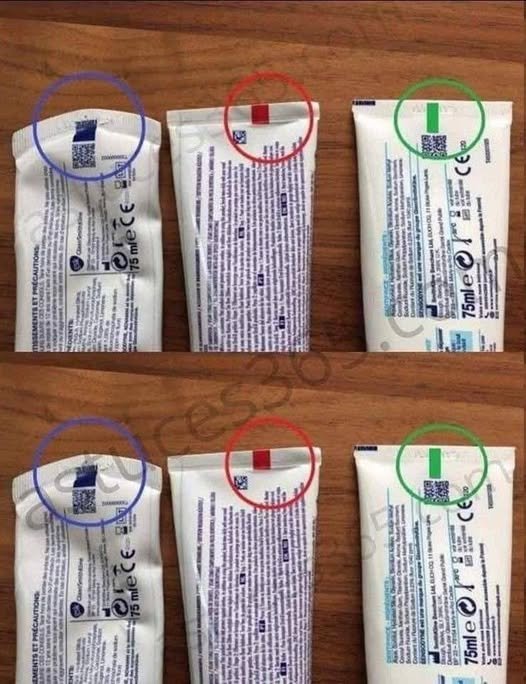
The Secret Behind the Colored Stripe on the Toothpaste Tube
Have you ever looked at the crimped end of your toothpaste tube and noticed a tiny colored stripe—green, blue, red, or black—and wondered what it meant? If so, you’re not alone. Over the years, countless myths and rumors have circulated about this small mark. Some people claim it indicates chemical content, toxicity, or whether the toothpaste is natural or artificial. But what is the truth? In reality, the colored stripe on a toothpaste tube has a practical purpose in manufacturing rather than any secret message about the product inside.
In this article, we will uncover the real story behind the colored stripe, explain why it’s there, debunk common myths, and give you insight into how toothpaste tubes are made.
1. What Is the Colored Stripe?
The colored stripe, often found on the crimped end of a toothpaste tube, is usually a small line or block of color. Depending on the brand or the toothpaste type, it might be green, blue, red, black, or even multiple colors. It is sometimes called an “eye mark” or “color mark” in the packaging industry.
These stripes are tiny, yet vital, because they tell the factory machinery exactly where the tube ends and where it needs to be sealed. Without this stripe, the machine would not know where to stop crimping, which could result in tubes being sealed incorrectly.
2. The Real Purpose of the Stripe
Many people assume the stripe has something to do with the ingredients inside the toothpaste. This is a common misconception, but in reality, the stripe serves a manufacturing function, not an ingredient code. Here’s how it works:
- Optical Sensors in Production: On a toothpaste production line, machines use optical sensors to detect the colored stripe.
- Ensuring Proper Sealing: Once the sensor sees the stripe, it signals the machine to fold and seal the end of the tube at exactly the right point.
- Consistency Across Products: This ensures that every tube, whether it’s mint-flavored, whitening, or herbal, is sealed properly and has the same neat finish.
Without this stripe, toothpaste tubes could end up with uneven seals, leaks, or product wastage. So, what looks like a simple mark is actually an important quality control tool.
3. Common Myths About Toothpaste Tube Stripes
There are plenty of myths about what the colored stripe supposedly means:
- Green stripe = natural ingredients
- Red stripe = contains chemicals
- Black stripe = toxic
These myths are completely false. The color of the stripe does not indicate the safety, chemical content, or quality of the toothpaste. All the relevant information about toothpaste ingredients and safety is listed on the ingredient panel on the box or tube, not in the stripe.
So, next time you see a green or red stripe, don’t panic. It’s just there to guide the machines, nothing more.
4. Why Different Colors Are Used
You might notice that different brands use different colors, and even the same brand might use different colors for different batches. This isn’t to send a message about the toothpaste. It’s mostly related to:
- Machine Calibration: Different optical sensors detect different colors more easily depending on lighting, printing, and packaging materials.
- Material Type: Some toothpaste tubes are made from aluminum, plastic, or laminated materials, and certain colors are more visible on different surfaces.
- Branding and Production Lines: Sometimes, the choice of color is simply a preference by the manufacturer for consistency in the production line.
In short, the color choice is purely technical, not chemical.
5. How Toothpaste Tubes Are Made
To fully understand the stripe’s purpose, it helps to know a bit about how toothpaste tubes are manufactured:
- Tube Formation: Rolls of tube material, usually plastic or laminated aluminum, are cut to size.
- Filling: The tubes are filled with the correct amount of toothpaste by automated machines.
- Sealing: The end of the tube is crimped and sealed. This is where the colored stripe comes into play.
- Cutting & Folding: Sensors detect the stripe and ensure the tube is cut and folded at the precise location.
This process ensures that every tube you buy looks neat, is properly sealed, and contains the right amount of product. Without the stripe, the factory machines could misalign the tube ends, leading to defective packaging.
6. The Truth About “Toxic Colors”
It’s worth addressing the fears about toxicity: the colored stripe does not touch the toothpaste inside the tube, and it is not ingested by consumers. It’s simply a mark on the outer packaging, usually printed with safe, non-toxic inks.
Even if you chew or accidentally ingest a tiny trace (which is highly unlikely), it poses no risk to your health. Toothpaste safety is governed by regulations, and all major brands use food-grade, skin-safe inks for their packaging.
7. Fun Facts About Toothpaste Stripes
- The technical term for the stripe is an “eye mark”, used not just in toothpaste, but also in food packaging, cosmetics, and pharmaceutical tubes.
- Some older packaging used no stripes at all, but modern machinery relies on them for speed and precision.
- The stripe is sometimes mistaken for a secret code, which is why myths about “chemical content” persist online.
8. How to Interpret the Stripe Correctly
If you see a colored stripe on a toothpaste tube:
- Don’t worry about it.
- Know that it guides factory machinery for sealing and cutting.
- Understand that it does not indicate the toothpaste’s ingredients, safety, or effectiveness.
The only reliable information about what’s inside your toothpaste is the ingredient list printed on the tube or the box.
9. Why People Still Believe the Myths
The myths persist because:
- The stripe looks like a secret code, sparking curiosity.
- People are increasingly concerned about chemicals in products, so it’s easy for assumptions to form.
- Online forums and social media amplify rumors without checking the facts.
By understanding the real purpose of the stripe, you can confidently ignore the myths and focus on proper oral care.
10. Conclusion
The colored stripe at the end of a toothpaste tube might seem mysterious, but it’s really a simple yet clever manufacturing tool. Its main purpose is to guide machines in cutting, folding, and sealing the tube consistently. It does not indicate the ingredients, chemical content, or safety of the toothpaste.
Next time you notice a green, blue, or black stripe, remember: it’s a marker for quality control, ensuring your toothpaste tube is properly sealed and ready for use. You can continue brushing confidently, knowing the stripe is there to help factories, not to send a secret message.
By debunking this common myth, we can appreciate the small details that go into everyday products and focus on the real factors that affect our oral health: brushing, flossing, and regular dental care.
So, the next time someone asks about the colored stripe on toothpaste, you can share the secret: it’s all about factory precision, not chemicals!