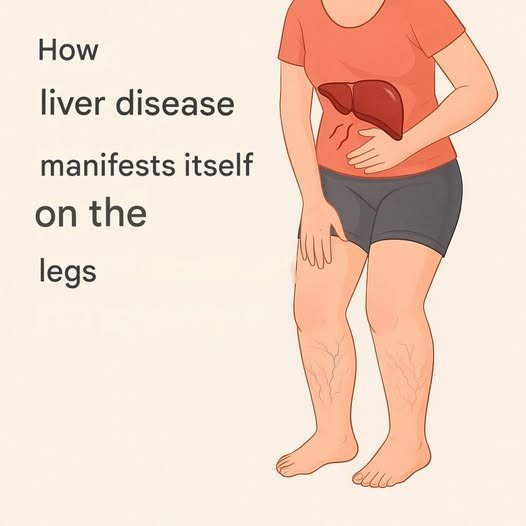
How Liver Disease Manifests Itself on the Legs
Liver disease is often thought of as a condition that primarily affects internal organs, but its symptoms can appear in surprising places—including the legs. Because the liver plays a crucial role in detoxification, protein production, and fluid balance, any dysfunction can lead to visible changes throughout the body. The legs, in particular, can reveal early warning signs that shouldn’t be ignored.
In this article, we’ll explore how liver disease manifests itself on the legs, what causes these symptoms, and when you should seek medical attention.
Why the Legs Are Affected in Liver Disease
The liver is responsible for maintaining the balance of fluids, proteins, and toxins in the body. When the liver is damaged or not functioning properly, several processes are disrupted:
- Reduced production of proteins like albumin
- Poor circulation and blood flow
- Fluid retention
- Hormonal imbalances
These changes often lead to symptoms that become visible in the lower parts of the body, especially the legs and feet.
1. Swelling in the Legs (Edema)
One of the most common signs of liver disease in the legs is edema, or swelling. This typically occurs in the feet, ankles, and lower legs.
What Causes It?
The liver produces albumin, a protein that helps keep fluid within blood vessels. When liver function declines, albumin levels drop, causing fluid to leak into surrounding tissues. Gravity causes this fluid to accumulate in the legs.
What It Looks Like:
- Puffy or swollen ankles and feet
- Skin that feels tight or stretched
- Indentations when pressed (pitting edema)
Swelling may worsen after standing or sitting for long periods and improve slightly when the legs are elevated.
2. Itchy Skin (Pruritus)
Persistent itching, especially on the legs, can be a sign of liver problems.
Why It Happens:
When the liver cannot properly process bile, bile salts may build up in the bloodstream and deposit in the skin, leading to irritation.
Symptoms Include:
- Intense itching, especially at night
- No visible rash in some cases
- Scratches or marks from frequent itching
This type of itching can be frustrating and may not respond well to typical creams or lotions.
3. Spider Veins and Skin Changes
Liver disease can cause changes in blood vessels, leading to visible marks on the skin.
What to Look For:
- Spider veins (small, web-like blood vessels)
- Red or blotchy skin
- Increased visibility of veins
These changes occur due to hormonal imbalances and increased pressure in blood vessels, both of which are common in liver disease.
4. Dark Patches or Discoloration
Changes in skin color on the legs may also indicate liver issues.
Possible Signs:
- Darkened patches of skin
- Uneven skin tone
- Yellowish tint (in severe cases, linked to jaundice)
Jaundice usually starts in the eyes and face but can spread throughout the body, including the legs, in advanced stages.
5. Easy Bruising
If you notice frequent bruising on your legs without any clear cause, it could be related to liver disease.
Why It Happens:
The liver produces clotting factors that help stop bleeding. When these are reduced, even minor bumps can lead to bruising.
Signs Include:
- Large or unexplained bruises
- Bruises that take longer to heal
- Increased sensitivity to minor injuries
6. Leg Pain and Muscle Weakness
Some people with liver disease experience discomfort or weakness in their legs.
Possible Causes:
- Poor nutrient absorption
- Muscle wasting (common in advanced liver disease)
- Toxin buildup affecting muscle function
This can lead to fatigue, difficulty walking, or reduced strength in the lower body.
7. Redness of Palms and Feet
While redness is more commonly noticed in the palms, it can also extend to the feet and lower legs.
What Causes It:
Hormonal changes associated with liver disease can increase blood flow to certain areas, causing redness.
8. Varicose Veins and Circulation Issues
In more advanced liver conditions, especially those involving portal hypertension, circulation problems can develop.
Symptoms May Include:
- Enlarged or twisted veins in the legs
- Heaviness or aching sensation
- Swelling combined with visible veins
When to Be Concerned
While some leg symptoms may have harmless causes, you should seek medical attention if you notice:
- Persistent or worsening swelling
- Severe itching without a clear cause
- Yellowing of the skin or eyes
- Frequent bruising
- Unexplained leg pain or weakness
These could indicate underlying liver problems that require diagnosis and treatment.
How to Protect Your Liver and Reduce Symptoms
Taking care of your liver can help prevent or manage these symptoms. Here are some important steps:
1. Maintain a Healthy Diet
Eat a balanced diet rich in fruits, vegetables, whole grains, and lean protein. Avoid excessive salt to reduce swelling.
2. Stay Hydrated
Proper hydration supports overall body function and helps maintain circulation.
3. Limit Alcohol Intake
Excessive alcohol is one of the leading causes of liver disease. Reducing or avoiding it can protect your liver.
4. Exercise Regularly
Physical activity improves circulation and helps reduce fluid buildup in the legs.
5. Elevate Your Legs
If you experience swelling, elevating your legs can help reduce fluid accumulation.
6. Regular Check-Ups
Routine medical check-ups and blood tests can help detect liver problems early.
Conclusion
The legs can reveal important clues about your liver health. Symptoms such as swelling, itching, discoloration, and bruising may indicate that the liver is not functioning properly. While these signs don’t always mean serious disease, they should never be ignored—especially if they persist or worsen.
Understanding how liver disease manifests itself on the legs can help you recognize early warning signs and seek timely medical care. By maintaining a healthy lifestyle and paying attention to changes in your body, you can support your liver and overall well-being.
Remember, your body often gives subtle signals when something isn’t right. Listening to those signals—and acting on them—can make all the difference in maintaining long-term health.